


-
For Appointment Please Call
-
Send Us Email
Root Canals and Crowns
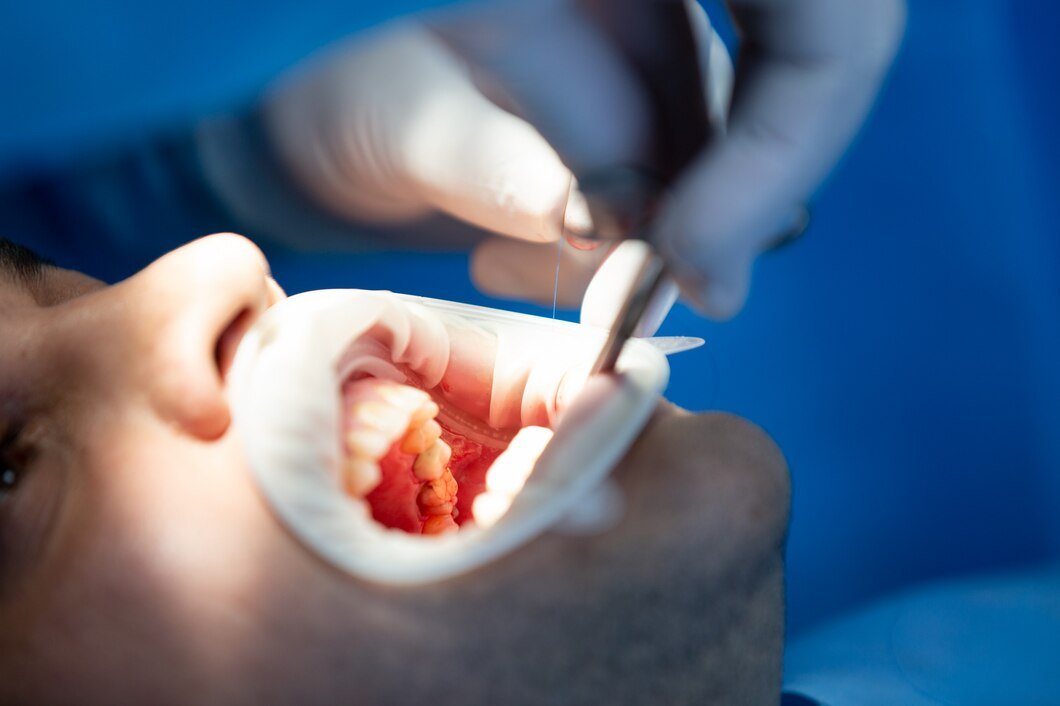
Root Canal Treatment & Dental Crowns
At Sobhinder Medical and Dental Care Centre, our priority is to save your natural teeth whenever possible. Root Canal Treatment (RCT) is a safe and highly effective procedure that removes infection from inside the tooth, relieves pain, and restores the tooth’s function. Once the treatment is completed, the tooth is protected with a dental crown to restore its strength, appearance, and durability.
Understanding Your Tooth
A tooth consists of two main parts:
- Crown: The visible part of the tooth above the gum line that is used for biting and chewing.
- Root: The portion of the tooth located beneath the gums and embedded within the jawbone. The root anchors the tooth securely and contains the root canals, which house the dental pulp.
Inside every tooth is the dental pulp, a soft tissue containing blood vessels, nerves, and connective tissue that helps nourish the tooth during its development.
Why is Root Canal Treatment Needed?
When tooth decay becomes deep or the tooth is damaged due to trauma, cracks, repeated dental procedures, or severe gum disease, bacteria can reach the pulp and cause infection. This may result in severe pain, swelling, sensitivity to hot and cold, or the formation of a dental abscess.
Root Canal Treatment removes the infected pulp, thoroughly cleans and disinfects the root canals, and seals them to prevent future infection. This allows the natural tooth to be preserved instead of being extracted.
Signs You May Need a Root Canal
- Persistent toothache
- Severe sensitivity to hot or cold
- Pain while chewing or biting
- Swollen or tender gums
- Pus discharge or dental abscess
- Darkening or discoloration of the tooth
- Deep cavities extending into the tooth
Root Canal Therapy Procedure
Modern Root Canal Treatment is comfortable, precise, and performed under local anaesthesia to ensure a pain-free experience.
Step 1 – Examination & Anaesthesia
The affected tooth is examined using digital X-rays or RVG imaging. Local anaesthesia is administered to ensure complete comfort throughout the procedure.
Step 2 – Access to the Pulp Chamber
A small opening is created through the crown of the tooth to access the infected pulp tissue inside the root canals.
Step 3 – Cleaning & Shaping the Root Canals
The infected pulp is carefully removed using specialized endodontic instruments. The canals are cleaned, disinfected, and shaped to prepare them for sealing.
Step 4 – Filling & Sealing the Canals
The cleaned canals are filled with a biocompatible material called Gutta-Percha and sealed to prevent bacteria from re-entering the tooth. In some cases, a post may be placed to strengthen the tooth before the final restoration.
Step 5 – Crown Placement
After Root Canal Treatment, a dental crown is usually recommended to restore the tooth’s strength and protect it from fracture. The crown also restores the tooth’s natural appearance and chewing function.
Dental Crowns
A dental crown is a custom-made cap placed over a damaged or root canal-treated tooth. It completely covers the tooth, restoring its shape, strength, and aesthetics while providing long-term protection.
Depending on the location of the tooth and your aesthetic requirements, crowns may be fabricated using high-quality materials such as:
- Metal Crowns
- Porcelain-Fused-to-Metal (PFM) Crowns
- All-Ceramic Crowns
- Zirconia Crowns
- E-Max Ceramic Crowns
Benefits of Root Canal Treatment
- Relieves severe tooth pain and infection
- Preserves your natural tooth
- Prevents the spread of infection
- Restores normal chewing function
- Improves oral health and comfort
- Eliminates the need for tooth extraction in most cases
- Long-lasting results with proper care
Why Choose Us?
At Sobhinder Medical and Dental Care Centre, we use advanced diagnostic technology, modern rotary endodontic techniques, and high-quality materials to perform Root Canal Treatments with precision and comfort. Our experienced dental team focuses on preserving your natural teeth while ensuring safe, painless, and effective treatment in a hygienic environment.
Aftercare Tips
- Avoid chewing on the treated tooth until the permanent crown is placed.
- Maintain good oral hygiene by brushing and flossing daily.
- Attend follow-up appointments as advised by your dentist.
- Visit your dentist regularly for routine dental check-ups.
With timely Root Canal Treatment and a well-fitted dental crown, your treated tooth can function normally and remain healthy for many years, allowing you to smile, eat, and speak with confidence.